
Today Chicken Rate in Pakistan (Live Broiler Chicken Prices)
Today Chicken rate for 1 kg Broiler live (zinda) chicken in Pakistan is:
Rs:323.00 / KG
Broiler Chicken farm Rate today
Rs: 285.00 Per Kg
Broiler wholesale Rate
Rs: 309.00 Per Kg
Chicken Meat Retail Rate
Rs: 468.00 Per Kg
Broiler Whole Chicken Rate
Rs: 655.20 Whole chicken
Today chicken rate has been updated for 23rd August 2026 using the latest available market information. The current farm gate/mandi rate is Rs: 285.00 per kg, while the broiler live wholesale rate is Rs: 309.00/kg and the live retail rate is Rs: 323.00 per kg. The dressed chicken meat retail price stands at Rs: 468.00/Kg, giving buyers a complete view of today’s poultry rate across Pakistan.
Today Chicken Rate List Across Pakistan
Browse today’s chicken rate list from major cities across Pakistan. Compare farm gate, wholesale, retail live, and dressed chicken prices to find the latest broiler market rates in one place.
| City | Farm Gate Live (₨/kg) | Wholesale Live (₨/kg) | Retail Live (₨/kg) | Meat Retail (₨/kg) |
|---|---|---|---|---|
| Lahore | ₨285.00 | ₨309.00 | ₨323.00 | ₨468.00 |
| Karachi | ₨282.00 | ₨294.00 | ₨302.00 | ₨455.00 |
| Islamabad | ₨305.08 | ₨341.90 | ₨381.72 | ₨531.00 |
| Faisalabad | ₨317.52 | ₨347.76 | ₨378.00 | ₨504.00 |
| Rawalpindi | ₨305.08 | ₨341.90 | ₨378.72 | ₨526.00 |
| Multan | ₨286.09 | ₨314.23 | ₨342.37 | ₨469.00 |
| Sheikhupura | ₨322.56 | ₨352.80 | ₨383.04 | ₨504.00 |
| Chiniot | ₨317.52 | ₨347.76 | ₨378.00 | ₨504.00 |
| Okara | ₨305.66 | ₨335.24 | ₨364.82 | ₨493.00 |
| Sialkot | ₨308.14 | ₨337.96 | ₨367.78 | ₨497.00 |
| Gujranwala | ₨303.17 | ₨332.99 | ₨362.81 | ₨497.00 |
| Sargodha | ₨302.40 | ₨332.64 | ₨362.88 | ₨504.00 |
| Khanewal | ₨281.40 | ₨309.54 | ₨337.68 | ₨469.00 |
| Gujrat | ₨293.23 | ₨323.05 | ₨352.87 | ₨497.00 |
| Mianwali | ₨286.16 | ₨321.93 | ₨357.70 | ₨511.00 |
| Layyah | ₨277.20 | ₨312.48 | ₨347.76 | ₨504.00 |
| Bahawalpur | ₨255.75 | ₨288.30 | ₨320.85 | ₨465.00 |
| D.G. Khan | ₨255.99 | ₨289.80 | ₨328.44 | ₨483.00 |
| Peshawar | ₨285.00 | ₨390.00 | ₨405.00 | ₨477.90 |
| Mardan | ₨295.00 | ₨375.00 | ₨385.00 | ₨454.30 |
| Swat | ₨285.00 | ₨400.00 | ₨415.00 | ₨489.70 |
| Charsadda | ₨285.00 | ₨390.00 | ₨405.00 | ₨477.90 |
| Sawabi | ₨285.00 | ₨395.00 | ₨405.00 | ₨477.90 |
| Kohat | ₨295.00 | ₨380.00 | ₨395.00 | ₨466.10 |
| Malakand | ₨285.00 | ₨395.00 | ₨410.00 | ₨483.80 |
| Lakki Marwat | ₨266.00 | ₨350.00 | ₨355.00 | ₨418.90 |
| Dera Ismail Khan | ₨298.48 | ₨380.00 | ₨390.00 | ₨460.20 |
| Abbottabad | ₨305.08 | ₨350.00 | ₨360.00 | ₨424.80 |
| Haripur | ₨305.08 | ₨350.00 | ₨360.00 | ₨424.80 |
| Quetta | ₨237–₨264 | ₨267–₨298 | ₨301–₨336 | ₨430–₨480 |
Compare Chicken Prices Today Across Major Cities
Compare today’s chicken prices across Pakistan using the interactive chart below. Quickly identify which cities have the highest and lowest broiler chicken prices before making buying or business decisions.
Poultry Rate list Today by Category
View today’s poultry market rates across the main trading levels, including farm gate, wholesale live, retail live, and dressed chicken meat prices. This overview helps consumers, retailers, and poultry businesses compare every stage of the market in one place.
Chicken Price Trends and Daily Rate History
Track how chicken prices have changed over time using the interactive trend chart. Compare daily broiler prices across different cities and time periods to understand recent market movements before buying or planning future purchases.
Chicken Market Overview
Overview of Today’s Chicken Rate in Pakistan
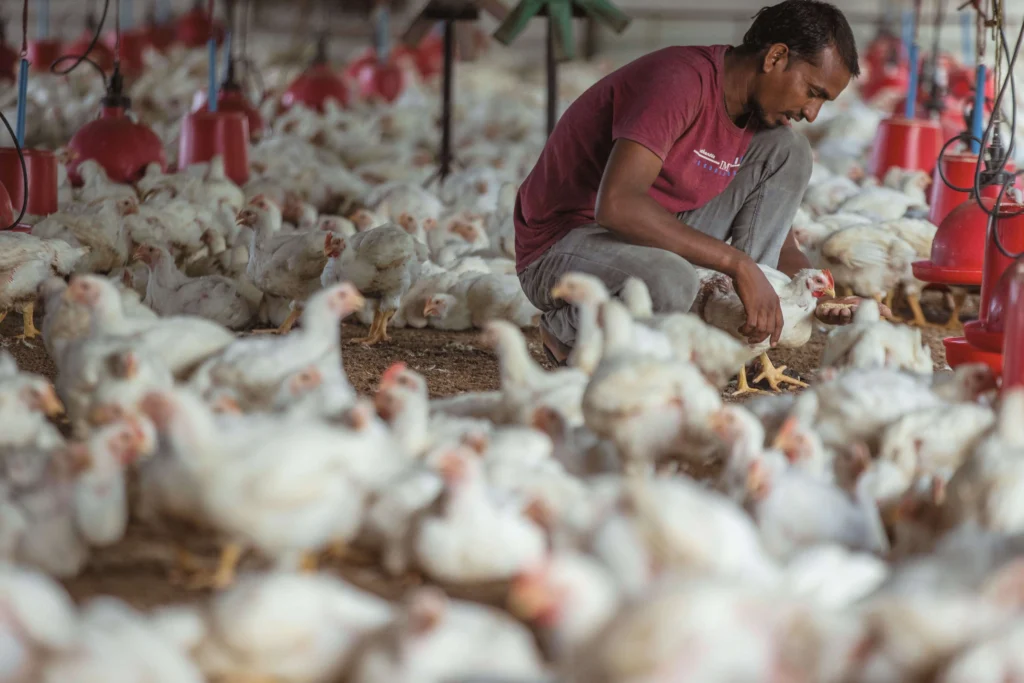
The chicken rate changes almost every day, and knowing why that happens helps you shop smarter. Chicken prices move with supply, demand, feed costs, and even the weather, so the rate you see this morning can look different by evening in some markets.
Prices get updated daily because the poultry market itself moves daily. Farms sell birds based on that day’s demand, wholesalers adjust their rates based on what arrives at the market, and retailers set their prices around what they paid at the wholesale level. A rate from last week rarely reflects what is happening in the market right now.
This is exactly why checking current prices matters. A price from a few days ago might be higher or lower than today’s actual rate, and buying decisions based on old information can cost you money, whether you are a household shopping for dinner or a business placing a bulk order.
Different Types of Chicken Rates Available Today
Chicken does not have just one price. It moves through several stages before it reaches a plate, and each stage has its own rate.
Farm Gate or Mandi Chicken Rate
The farm gate or mandi rate is the price a farm charges when birds leave the farm, before any transport, market fees, or dealer margin gets added. This is usually the starting point for every other price in the chain. Wholesalers and large buyers use this figure as the base for their own pricing decisions.
Wholesale Chicken Rate
Wholesale rates apply when poultry dealers and commercial buyers purchase chicken in bulk from wholesale markets. This rate sits above the farm gate price because it includes transport, market handling, and the wholesaler’s margin. Restaurants, catering businesses, and retail shops that need large quantities usually deal at this level.
Retail Live Chicken Rate
This is the price a local poultry shop charges a regular customer buying a live bird. It runs higher than wholesale because the shop is selling smaller quantities and covering its own daily running costs. Most households buying live chicken from a neighborhood shop pay this rate.
Chicken Meat Retail Rate
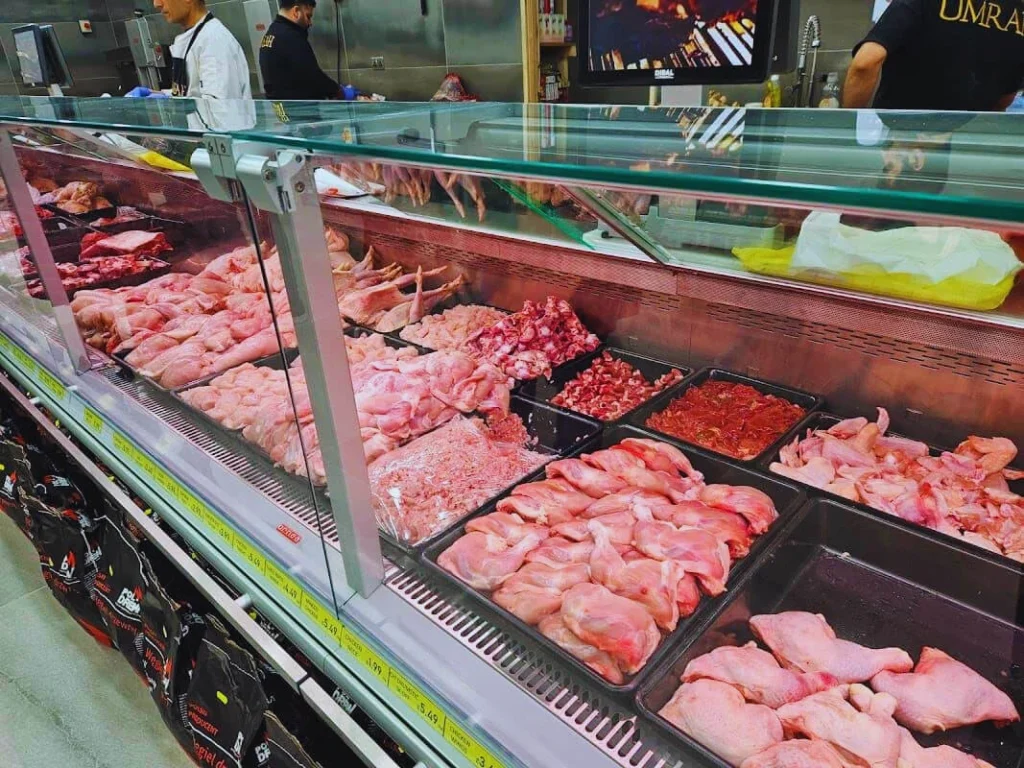
This rate applies to dressed, ready to cook chicken, whether whole or cut into pieces. It also covers boneless chicken, which typically costs more due to extra processing. This is usually the highest rate in the chain since it includes the live bird cost plus slaughtering, cleaning, and cutting.
Why Chicken Prices Change Every Day?
Several factors push chicken prices up or down across Pakistan on any given day.
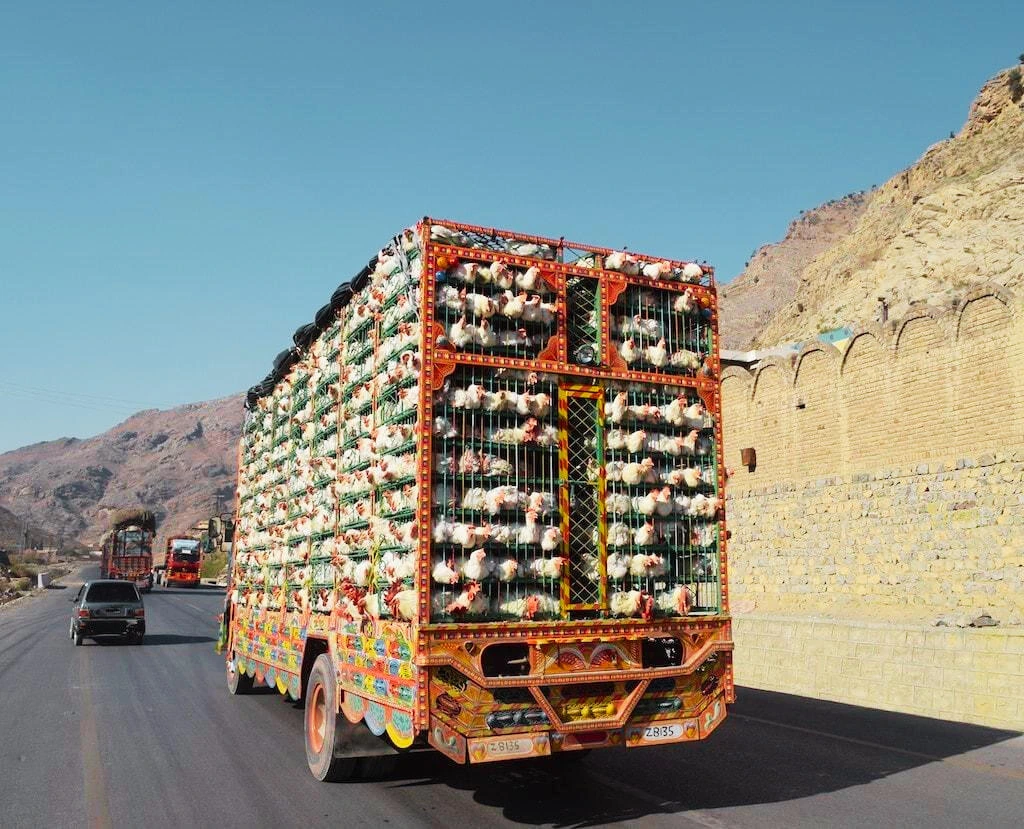
None of these factors work alone. A hot week combined with rising feed costs, for example, tends to push prices up faster than either factor would on its own.
How to Read Today’s Chicken Rate Before Buying
Knowing which rate applies to your situation helps you avoid confusion when comparing prices.
Farm gate prices are useful mainly for understanding where the market starts, not for everyday shopping. Wholesale prices matter if you are buying in bulk or running a business that needs regular large orders. Retail live prices are what most households pay when buying a live bird from a local shop. Meat prices apply when you are buying dressed or boneless chicken by weight.
Reading the Today chicken rate correctly, rather than just glancing at the first number you see, gives you a much more accurate picture of what you should expect to pay.
Which Chicken Rate Should You Check?
Different buyers care about different parts of the market. Checking the Today chicken rate without knowing which figure applies to you can lead to the wrong comparison. This table shows which rate is most useful depending on who you are.
|
Buyer Type |
Most Relevant Rate |
|---|---|
|
Household buyer |
Retail live or meat retail rate |
|
Live chicken buyer |
Retail live chicken rate |
|
Restaurant owner |
Wholesale rate |
|
Catering business |
Wholesale rate |
|
Poultry trader |
Farm gate and wholesale rate |
|
Bulk purchaser |
Wholesale rate |
Using the right rate for your role in the market helps you plan purchases more accurately and avoid comparing prices that were never meant for your situation in the first place.
Understanding Per Kilogram Chicken Prices
Chicken prices are shown per kilogram because bird sizes vary, and pricing by weight keeps comparisons fair. A 1 kg chicken rate today gives buyers a consistent way to compare prices across shops and markets, regardless of how big or small an individual bird happens to be.
Live weight and meat weight are not the same thing, and this is where a lot of confusion comes from. Live weight includes the full bird, feathers and all, while meat weight only counts what remains after processing. Because of this, the per kilogram price for meat chicken will always be higher than the per kilogram price for a live bird, even on the same day in the same market.
When comparing value, it helps to think about what you actually need. Someone buying a live bird for home slaughter is working with a different price basis than someone buying boneless chicken meat ready to cook.
Live Chicken vs Chicken Meat Prices
Live chicken and chicken meat are priced differently because they represent different stages of the same product.
|
Factor |
Live Chicken |
Chicken Meat |
|---|---|---|
|
Pricing basis |
Full live weight |
Processed meat weight |
|
Processing involved |
None |
Slaughtering, cleaning, cutting |
|
Typical price level |
Lower per kilogram |
Higher per kilogram |
|
Suitable buyers |
Households preferring home processing |
Households and businesses wanting ready to cook meat |
|
Convenience |
Requires home preparation |
Ready to cook immediately |
Understanding this difference helps explain why two prices for chicken on the same day, from the same market, can look so different at first glance.
They are not measuring the same thing, and comparing them directly without knowing that can lead to confusion when checking rates in cities like Karachi, Lahore, Islamabad, or Multan.
Find Today’s Chicken Rate in Your City
Looking for today’s chicken rate in your city? Click any city below to view live prices, historical trends, and detailed local poultry market information.
QUESTIONS